Variabl is an AI-powered incentive compensation management platform designed to help businesses automate, manage, and optimize sales commissions, bonuses, and performance-based incentive programs. It aims to simplify the process of designing compensation plans, calculating payouts, tracking sales performance, and ensuring that employees are rewarded accurately according to their results.
Managing sales compensation can become complicated as organizations grow, especially when they have multiple teams, different commission structures, changing targets, performance-based bonuses, and complex payout rules. Traditional approaches often rely on spreadsheets, manual calculations, and disconnected systems, which can lead to errors, delayed payments, limited visibility, and time-consuming administrative work.
Variabl addresses these challenges by providing a centralized platform for managing incentive compensation. By streamlining calculations, improving data visibility, and supporting more efficient compensation workflows, the platform helps businesses reduce manual effort and make better-informed decisions about sales performance and employee incentives.
Key Features and Capabilities
1. Automated Commission Calculations
- Automates commission calculations based on predefined compensation rules and sales performance.
- Reduces the need for manual spreadsheet calculations.
- Helps minimize calculation errors and inconsistencies.
- Supports more efficient and consistent commission processing.
- Simplifies the management of recurring commission calculations and payout cycles.
2. Incentive Compensation Management
- Helps businesses organize and manage sales commission plans, bonuses, and performance-based incentives.
- Supports the administration of different compensation structures across roles and teams.
- Helps align employee rewards with individual, team, and organizational objectives.
- Makes it easier to manage compensation rules and incentive program requirements.
- Provides a more structured approach to managing sales compensation as the business grows.
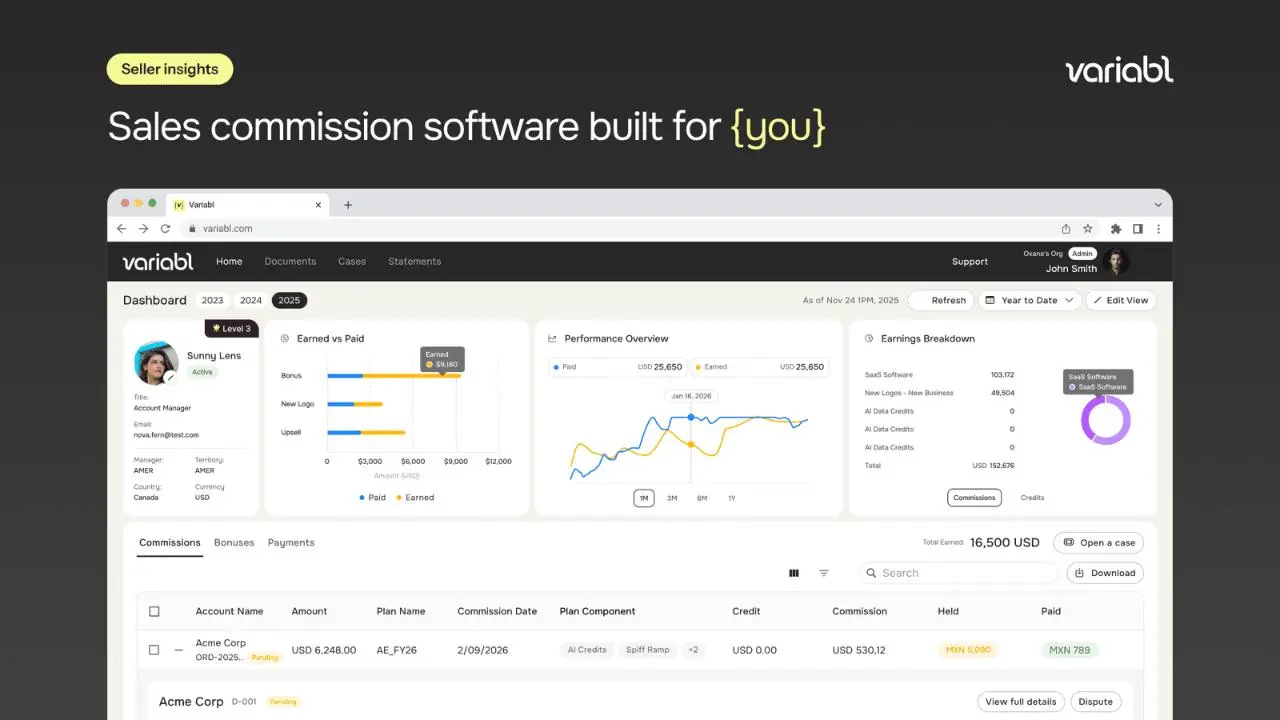
3. Sales Performance Tracking
- Helps organizations monitor sales results against established targets.
- Provides insight into performance metrics that influence commission earnings.
- Supports the evaluation of individual and team performance.
- Helps sales managers identify performance trends and areas for improvement.
- Connects compensation outcomes with measurable business results.
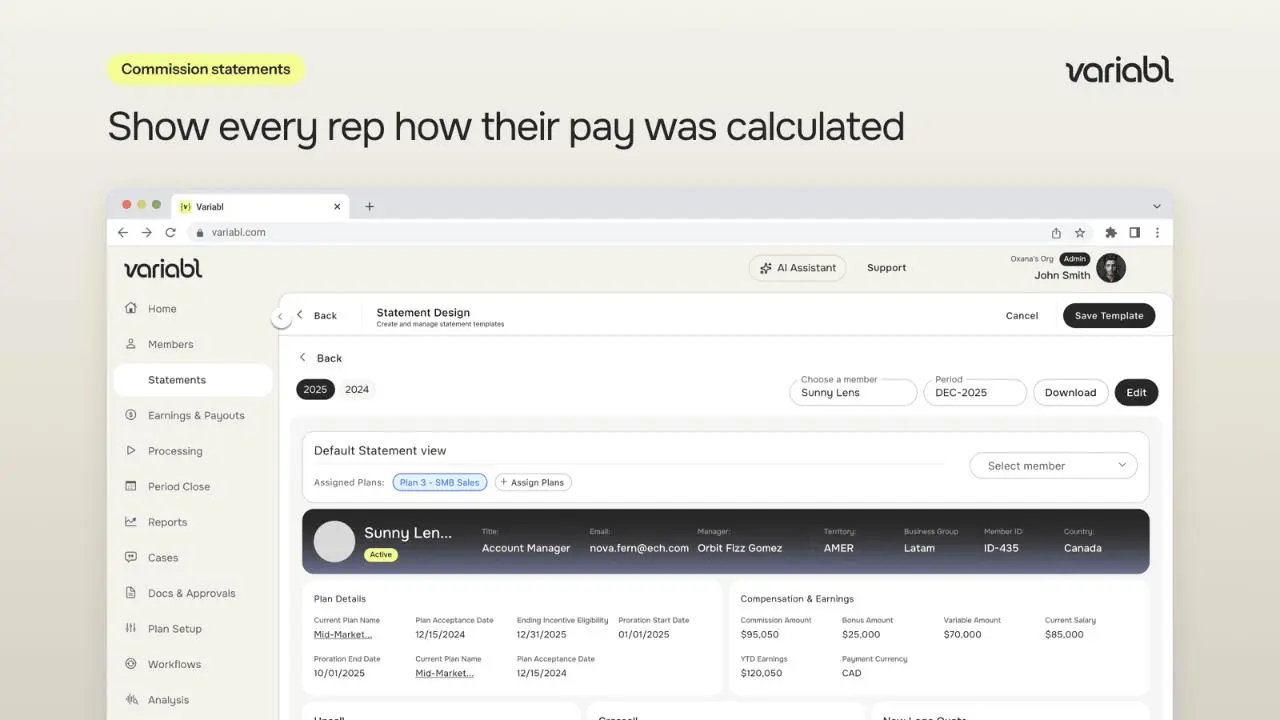
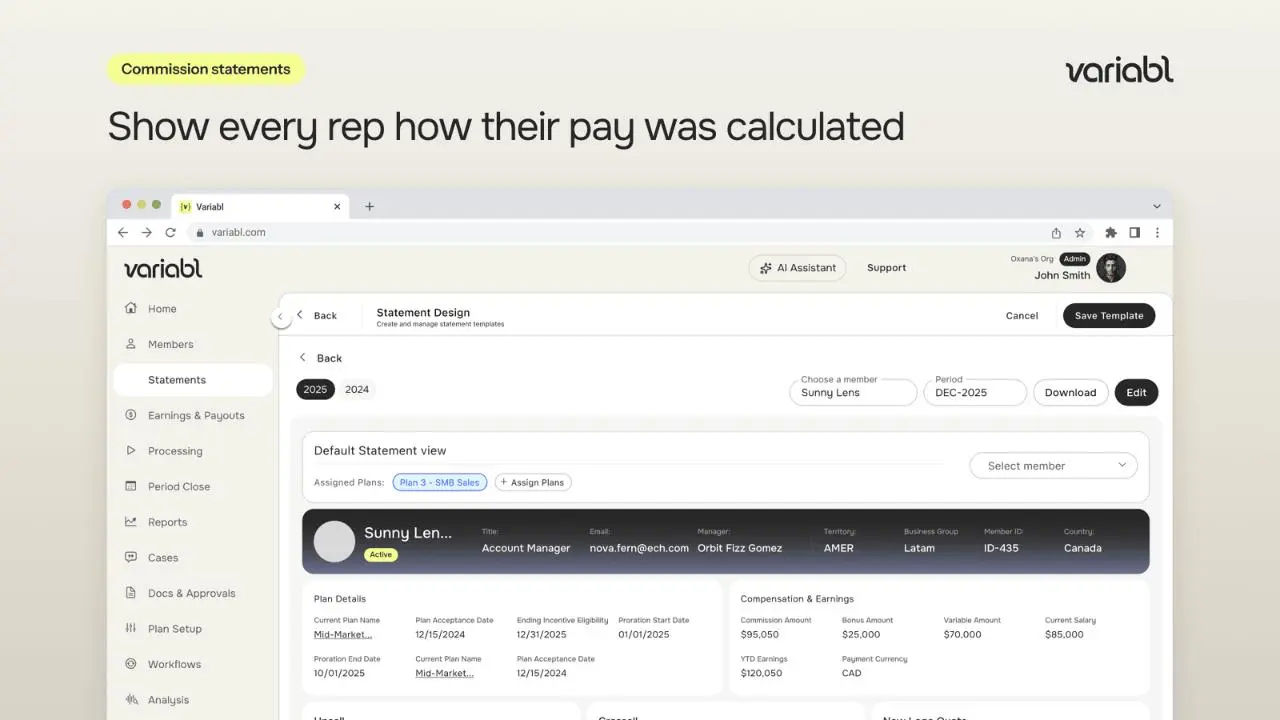
4. Compensation Transparency
- Helps employees understand how their compensation relates to their performance.
- Improves visibility into commission earnings and incentive structures.
- Reduces confusion around compensation calculations and payout expectations.
- Supports communication between sales representatives, managers, finance teams, and sales operations.
- Encourages trust by making compensation processes easier to understand.
5. Workflow Automation
- Reduces repetitive administrative tasks associated with commission management.
- Streamlines processes involved in calculating, reviewing, and managing incentive payments.
- Helps finance and revenue operations teams spend less time maintaining spreadsheets.
- Supports more consistent compensation administration.
- Allows teams to focus more on analysis, planning, and strategic activities.
6. Reporting and Analytics
- Helps businesses analyze sales compensation costs and performance outcomes.
- Supports the review of commission expenses and incentive program effectiveness.
- Provides insights that can inform compensation planning and budgeting.
- Helps managers understand how incentive structures influence sales behavior.
- Supports data-driven decisions about sales productivity and employee rewards.
7. Compensation Plan Management
- Helps organizations structure compensation plans around business objectives.
- Supports the management of performance targets and incentive rules.
- Makes compensation administration more organized and repeatable.
- Helps businesses adapt their incentive programs as sales strategies evolve.
- Provides a foundation for managing compensation across different teams and roles.
Who Can Benefit from Variabl?
Variabl is relevant to organizations that use commissions, bonuses, or other performance-based compensation to reward employees.
Potential users include:
- Sales teams: To understand earnings, monitor performance, and connect sales results with compensation.
- Finance departments: To streamline commission calculations, review payout amounts, and manage compensation expenses.
- Revenue operations teams: To coordinate compensation processes, maintain consistency, and improve operational efficiency.
- Sales managers: To monitor team performance and understand how incentive plans affect sales outcomes.
- Human resources teams: To support compensation administration and employee reward programs.
- Business executives: To evaluate incentive costs, sales productivity, and the alignment between employee rewards and company objectives.
Key Benefits
Using an incentive compensation management platform such as Variabl can provide several potential business benefits:
- Time savings: Automation reduces the time required to calculate commissions and maintain compensation records.
- Improved accuracy: Standardized calculation rules help reduce errors associated with manual processes.
- Greater transparency: Better visibility into compensation calculations helps employees understand their earnings.
- Operational efficiency: Centralized workflows help reduce fragmented processes across departments.
- Better decision-making: Compensation reporting can help managers evaluate incentive programs and sales performance.
- Scalability: Structured compensation processes can make it easier to manage growing sales teams and increasingly complex incentive plans.
- Improved alignment: Performance-based incentives can help connect employee rewards with business priorities.
- Reduced administrative burden: Finance and operations teams can spend less time on repetitive compensation tasks.
- More consistent processes: Standardized workflows help organizations administer compensation plans more systematically.
- Stronger performance visibility: Linking sales results with incentives can help businesses better understand the relationship between performance and rewards.
How Variabl Fits into a Business Workflow
A typical incentive compensation management process involves several stages:
- Define compensation plans: Establish commission rates, sales targets, bonus structures, eligibility requirements, and payout rules.
- Collect performance data: Gather relevant sales transactions, revenue figures, and performance metrics from business systems.
- Calculate incentives: Apply the relevant compensation rules to determine commissions and potential bonuses.
- Review results: Allow the appropriate teams to review calculations, identify discrepancies, and verify payout amounts.
- Communicate earnings: Provide employees and managers with visibility into compensation results.
- Analyze performance: Evaluate sales outcomes, compensation expenses, and the effectiveness of incentive programs.
- Optimize compensation plans: Use performance insights to refine incentive structures and better align rewards with business objectives.
The precise workflow and level of automation depend on the platform's supported features, integrations, and configuration.
Why Businesses Need Incentive Compensation Management
As companies expand, sales compensation often becomes more difficult to manage. Different roles may have different commission rates, sales teams may work toward different targets, and incentive plans may include thresholds, accelerators, bonuses, or other conditions.
Without a structured system, these processes can create operational challenges, including:
- Time-consuming manual calculations.
- Errors and inconsistencies in commission payouts.
- Difficulty tracking compensation across multiple teams.
- Limited visibility into employee earnings.
- Challenges reconciling sales data with compensation records.
- Delays in reviewing and approving commission payments.
- Difficulty forecasting compensation expenses.
- Limited insight into whether incentive programs are producing the desired results.
An incentive compensation management platform helps address these challenges by organizing compensation rules, standardizing workflows, and improving access to relevant performance data.
Conclusion
Variabl is positioned in the incentive compensation management category, focusing on helping businesses simplify the administration of sales commissions and performance-based rewards. Its intended value is to make compensation processes more efficient, transparent, and manageable while helping organizations connect employee incentives with business performance.
For businesses seeking to improve their sales compensation operations, platforms in this category can provide a more structured alternative to spreadsheet-based commission management. The most suitable solution depends on the organization's size, compensation complexity, reporting requirements, integration needs, and budget.

No comments yet. Be the first to comment!