Linkbreakers
Beautiful QR codes that drive sales
 linkbreakers.com


A builder that tries to sell
Everyone keeps preaching the same thing. Build an MVP. Test it fast. If it doesn't sell immediately, trash it and move on.
Here's what I've learned after years of building: that playbook wasn't written for everyone.
Y Combinator's approach makes sense for them:
You're probably not building a unicorn on your first try. And that's completely fine. If you built something making a few million annually, you'd likely be thrilled.
When you launch a broken MVP to a large customer base, you build brand association with that first version. Users don't think "this must be their initial stab" they ask "is this way better than what I already use?"
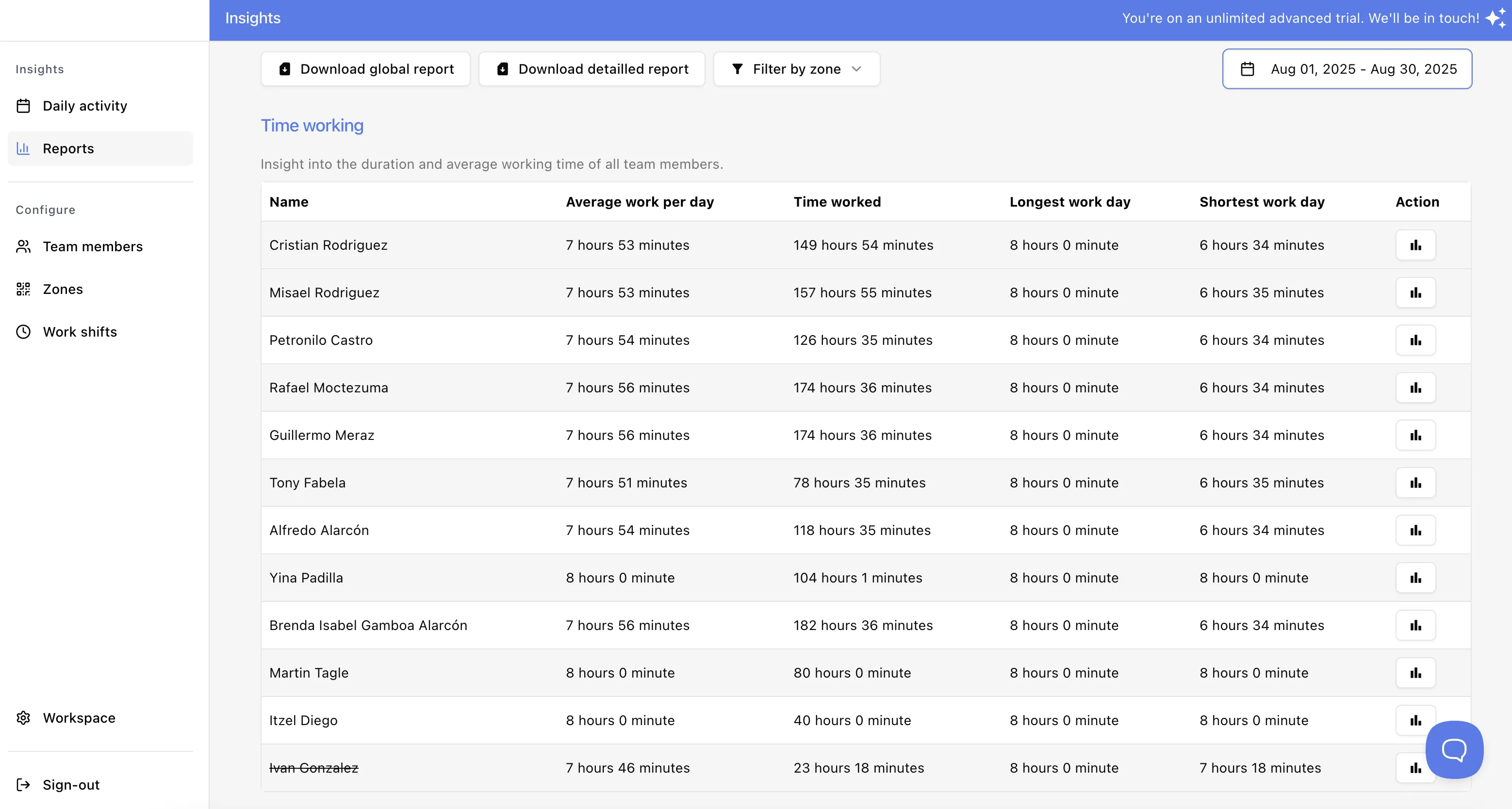
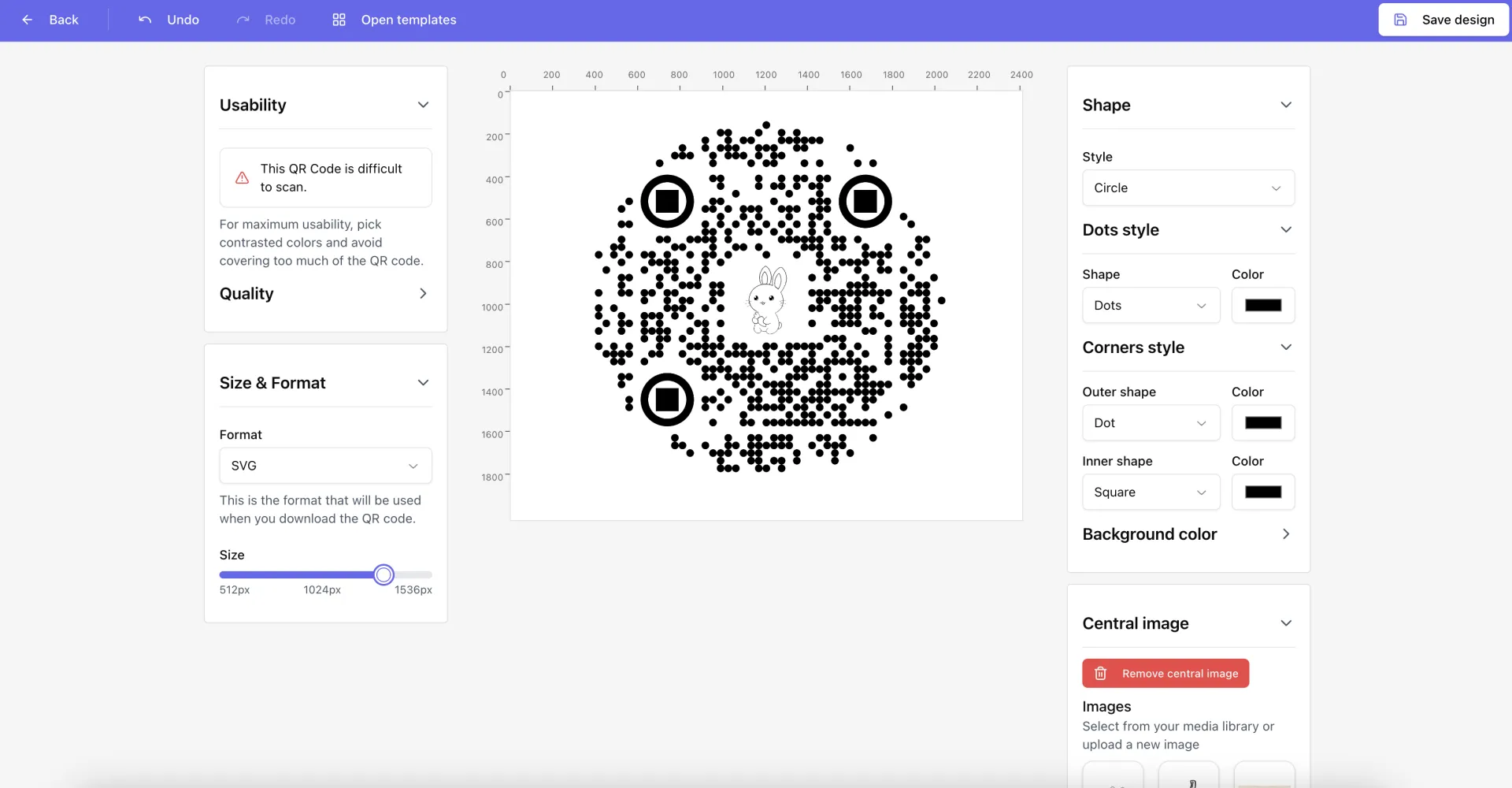
I started with Aquiestoy (employee tracking), built free tools that got thousands of users, then created Linkbreakers (QR code generator with tracking).
The results:
Why? I'd attracted the wrong market. People wanted a tool, not a service. Design capability alone doesn't create enough value to justify payment.
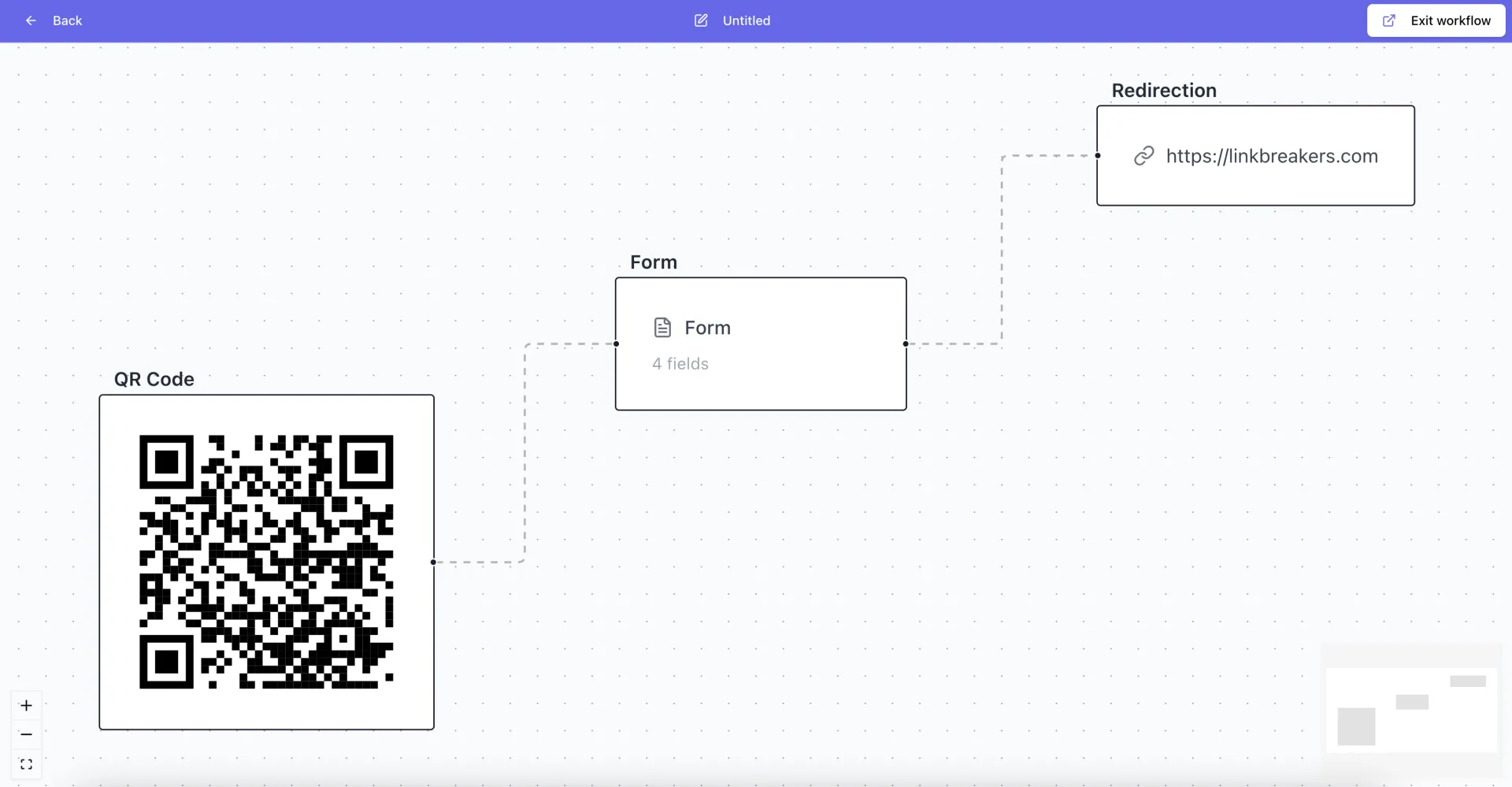
Then it clicked: QR codes are workflows.
Now I'm building conditional QR codes that redirect based on country, device, or any factor. Testing restaurant use cases, email capture, gamification, coupon distribution. All built on the same workflow engine.
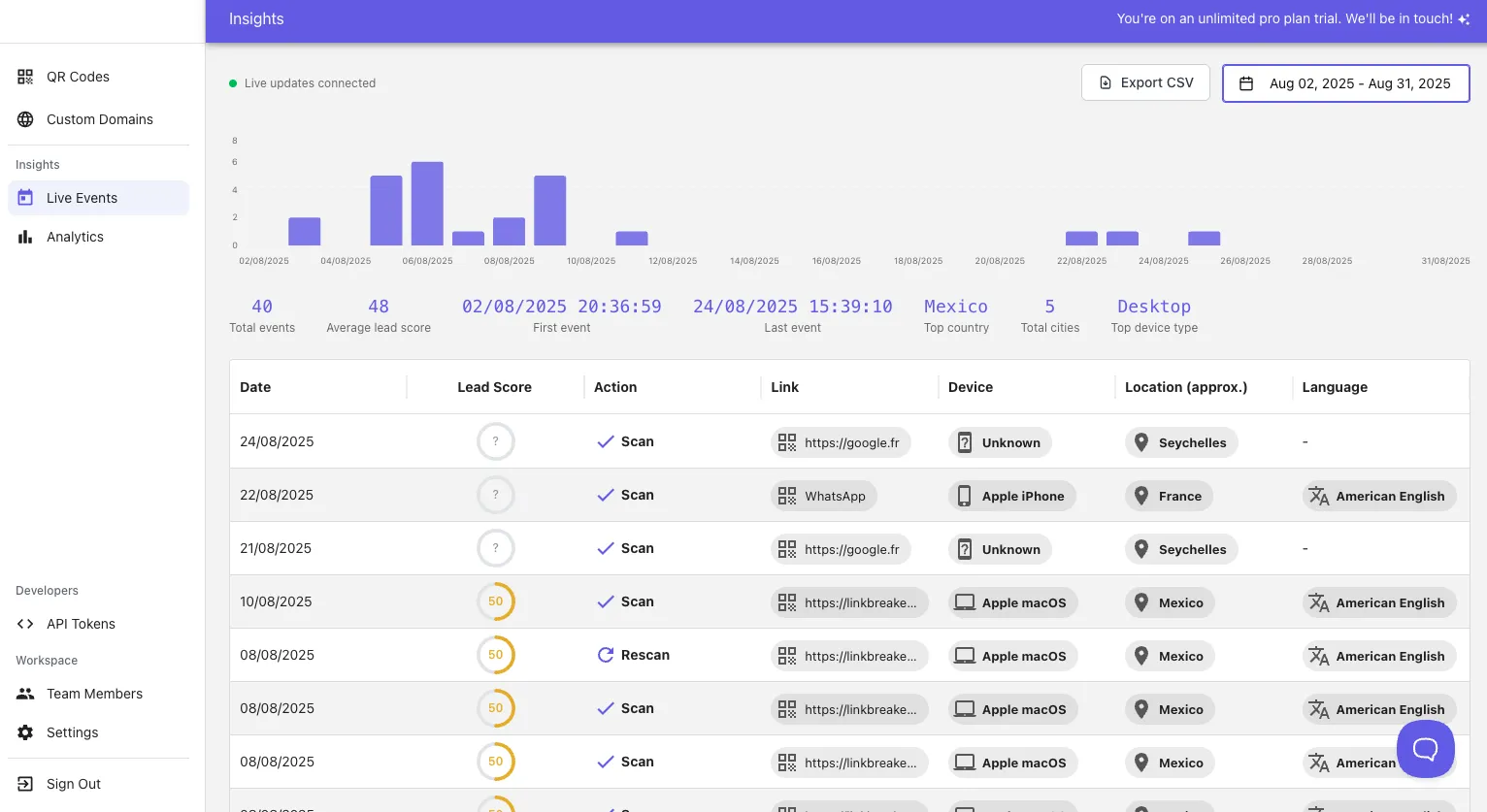
Everything accumulates: the QR scanner, device analysis, lead scoring attempts, workflow system. I'm navigating to find my market while building real expertise.
Two years ago, I would've laughed at building all this. Too complex. Too time-consuming.
But I think that complexity might be exactly what creates value. The barrier to entry is the point.
This goes completely against conventional wisdom. You're supposed to fail fast and trash what doesn't work.
Instead, I'm doing soft pivots. I started wanting to track employees, now I'm building workflows for restaurants. The technical foundation remains useful.
The reality nobody talks about:
I'm not saying MVP is wrong. I'm saying it's not the only path, and maybe not even the most common one.
Sometimes you build something substantial that doesn't convert immediately. So you examine what you've built and shift it slightly. Construction continues. It accumulates.
The real competitive advantage might not be speed. It might be persistence, adaptability, and recognizing when you need a soft pivot instead of starting over.
I'm convinced I'll eventually find the right value proposition. The genuinely compelling one where I could confidently run paid ads knowing they'd convert.
On top of that, I'm very happy building it.
Hey Huzzler community!
After running two B2B products with freemium models for 2+ years, I made a counterintuitive decision: I eliminated free plans from one of them. Here's what the data showed me.
QR code analytics product:
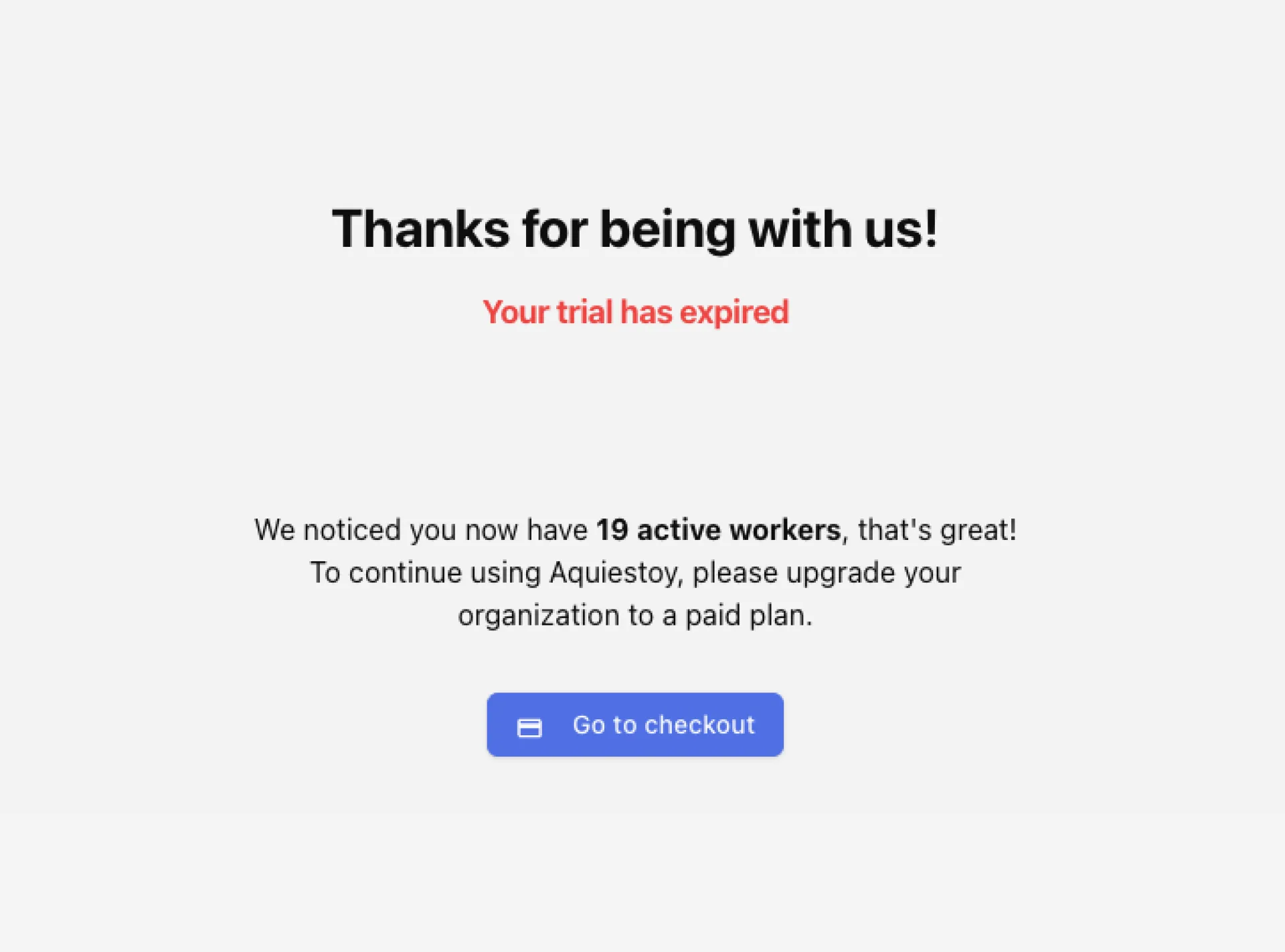
Employee time tracking service:
Free users weren't just non-converting, they were resource-heavy:
The opportunity cost hit hardest. Time helping free users = time not spent on paying customers.
My paying customers shared one trait: they paid immediately.
No free trial period, no gradual conversion. They saw value and whipped out credit cards on day one.
Free users wanted "tools" (something that should be free). Paying customers wanted "services" (something worth paying for). The language difference revealed everything about their mindset.
I kept free plans for the QR analytics product because:
I removed them from the time tracking service because:
After going paid-only:
Freemium isn't universally good or bad, it depends on your market. For B2B products targeting businesses with existing software budgets, paid-only can work better than expected.
Sometimes, the best growth strategy is saying no to users who aren't ready to pay, allowing you to focus on those who truly value your work.